Diagnosis codes for MALS and related compression syndromes
Doctors and insurers describe diagnoses with codes. In the United States the diagnosis code set is ICD-10-CM. Knowing which code is on your records can help when you read a referral, a bill or an insurance letter. This page lists the codes in the official ICD-10-CM files for fiscal year 2027 published by the Centers for Medicare & Medicaid Services (CMS) and the Orphanet codes used for rare diseases.
Key points
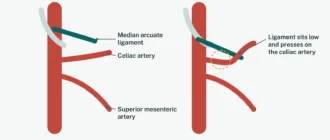
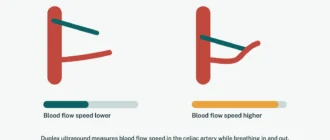
- MALS has its own ICD-10-CM code: I77.4, "Celiac artery compression syndrome".
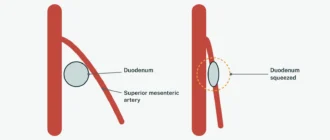
- SMA (Wilkie) syndrome is indexed to K55.1, "Chronic vascular disorders of intestine"; the code for duodenal obstruction, K31.5, is also seen in practice.
- Nutcracker syndrome and May-Thurner syndrome have no specific ICD-10-CM code; I87.1, "Compression of vein", is a general code for compression of a vein.
- The right code for you is chosen by your doctor or the coding team based on your records. This page is for understanding, not for coding advice.
ICD-10-CM codes (CMS, fiscal year 2027)
| Condition | Code | Official description | Note |
|---|---|---|---|
| MALS (median arcuate ligament syndrome) | I77.4 | Celiac artery compression syndrome | The index entry "median arcuate ligament" points to this code. |
| SMA syndrome (Wilkie syndrome) | K55.1 | Chronic vascular disorders of intestine | The index entry "Wilkie's disease or syndrome" points to this code. |
| Duodenal obstruction | K31.5 | Obstruction of duodenum | Includes constriction, stenosis and stricture of the duodenum. |
| Nutcracker syndrome | none | - | No index entry. I87.1 "Compression of vein" is a general code. |
| May-Thurner syndrome | none | - | No index entry. I87.1 "Compression of vein" is a general code. |
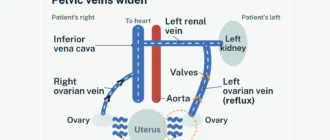
| Pelvic congestion syndrome | N94.89 | Other specified conditions associated with female genital organs and menstrual cycle | The index entry "pelvic congestion-fibrosis, female" points to this code; pelvic varices are I86.2. |
| Celiac artery aneurysm | I72.8 | Aneurysm of other specified arteries | |
| Upper abdominal (epigastric) pain | R10.13 | Epigastric pain | A symptom code often used before a diagnosis is made. |
Source: CMS, ICD-10-CM 2027 code tables and index (valid October 1, 2026 to September 30, 2027); the same codes were checked in the 2026 files. Codes are reviewed every year on October 1.
Orphanet codes (rare diseases)
Orphanet is a European reference database for rare diseases. Its codes (ORPHA numbers) are used in rare disease registries and research.
| Condition | ORPHA code | Orphanet name |
|---|---|---|
| MALS | ORPHA:293208 | Celiac artery compression syndrome |
| Nutcracker syndrome | ORPHA:71273 | Renal nutcracker syndrome |
| SMA syndrome | ORPHA:622099 | Superior mesenteric artery syndrome |
| May-Thurner syndrome | ORPHA:675404 | May-Thurner syndrome |
Source: Orphanet Rare Disease Ontology (ORDO, CC BY 4.0), looked up through the EMBL-EBI Ontology Lookup Service. Pelvic congestion syndrome has no Orphanet entry.
Why codes matter to patients
- Records and referrals: a symptom code (such as R10.13) is often replaced by a diagnosis code only after testing.
- Insurance: insurers look at the diagnosis code when deciding on tests and operations. If a request is denied, ask which code was submitted and whether the medical records support it.
- Conditions without a code: for nutcracker and May-Thurner syndrome, the name may appear only in the doctor's notes, with a general code on the claim.
Read about the conditions: MALS, SMA syndrome, nutcracker syndrome, May-Thurner syndrome, pelvic congestion syndrome.
MALS Compass is an independent educational website, not a medical provider, and is not affiliated with any hospital, clinic or university. This page is educational information and does not replace advice from your own doctor. For any question about your health, please contact your doctor or an official healthcare institution.